

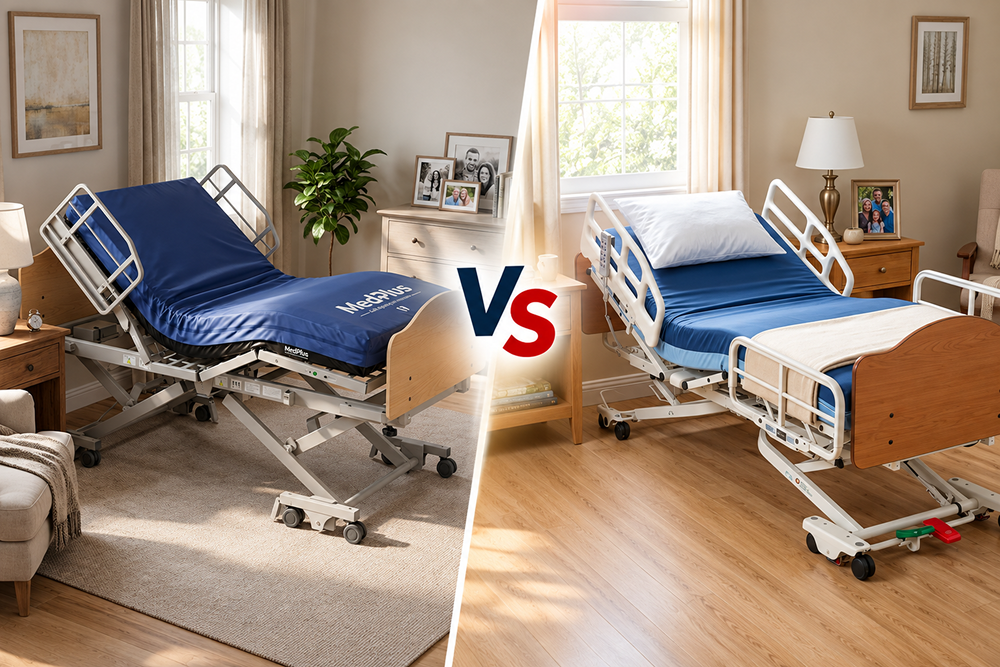
Hospital Bed vs Adjustable Bed: Which Do You Need?
When simple moments like sitting up, changing positions, or getting comfortable start to feel difficult, you need a supportive place to rest. For example, a flat, fixed mattress that once worked fine can become a daily challenge when pain, recovery, or reduced mobility enters the picture. Both hospital beds and adjustable beds can help resolve this problem. However, they take entirely different approaches, and choosing between them takes more than a comparison of price or mattress sizes.
Med Mart offers solutions tailored to specific needs. As a home mobility equipment provider, we help people find the right setup required for recovery, comfort, and long-term care. Each solution matches real medical needs and daily routines, rather than a one-size-fits-all option.
The Real Purpose Behind These Two Bed Types
The primary objective of both hospital and adjustable beds is to provide people with a comfortable, supported place to rest. Both types of beds can provide positioning and comfort support, but hospital beds are designed with additional features for people who need medical or caregiver assistance at home.
There are different types of hospital beds, such as:
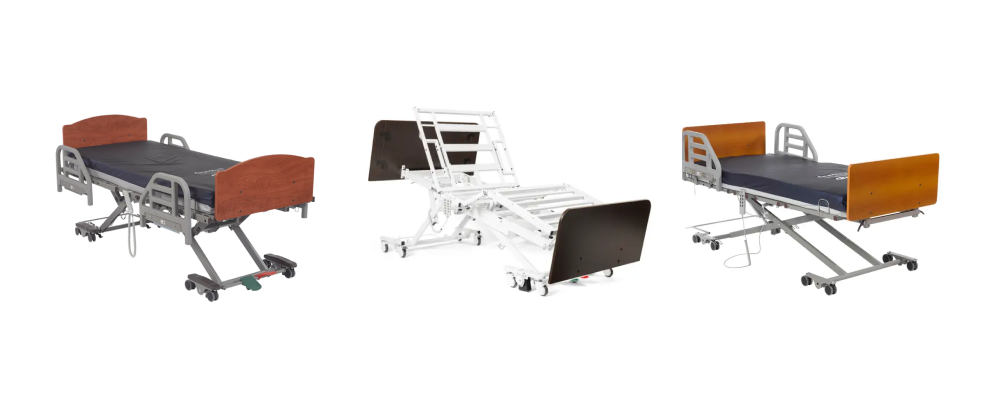
Long-Term Beds
These long-term beds have durable frames built for extended, regular use in home care.
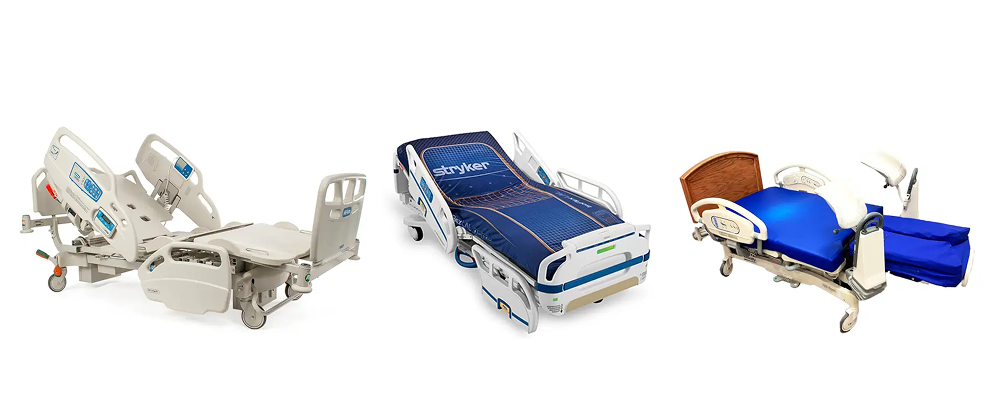
Med Surg Beds
These med-surg bed styles are built for ideal post-surgical, clinical-level care.
Bariatric Beds
Bariatric beds are built with reinforced frames for bearing higher weight capacities.
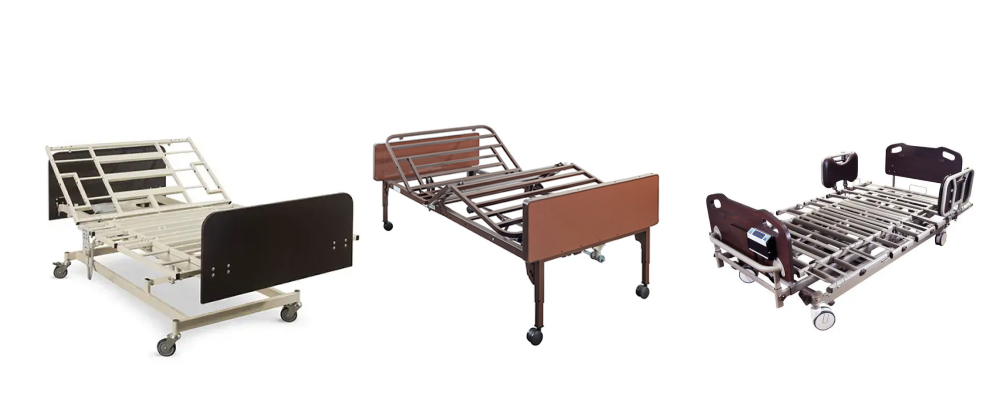
Semi-Electric Beds
Short-term hospital beds feature motorized head and foot positioning with a manual height crank.
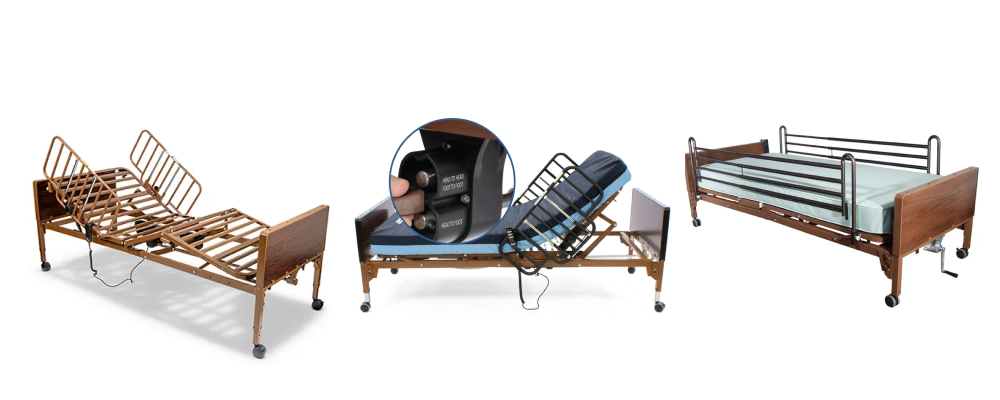
Recovery, mobility, and comfort needs vary from person to person, which is why different types of home medical beds are available. According to Fortune Business Insights, the global hospital bed market is valued at $5.64 billion. This highlights the growing demand for home healthcare beds as more long-term care and recovery shifts into private homes.
Understanding Hospital Beds and Adjustable Beds
Selecting the right type of bed from Med Mart narrows down to matching the mobility equipment to how someone plans to recover, rest, or manage a long-term condition at home. Each option offers real value by reducing physical strain, supporting independence, and improving daily comfort.
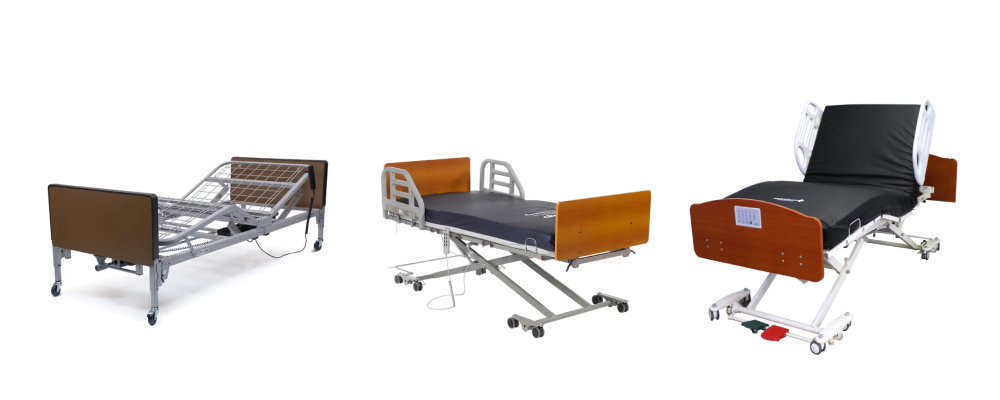
Hospital Bed Overview
The hospital bed is a sturdy, medically supportive sleep system designed to meet serious recovery and long-term care needs. Adjustable height, head and foot positioning, and side rails help ensure safety. This makes it a reliable option, especially for common medical conditions.
Adjustable Bed Overview
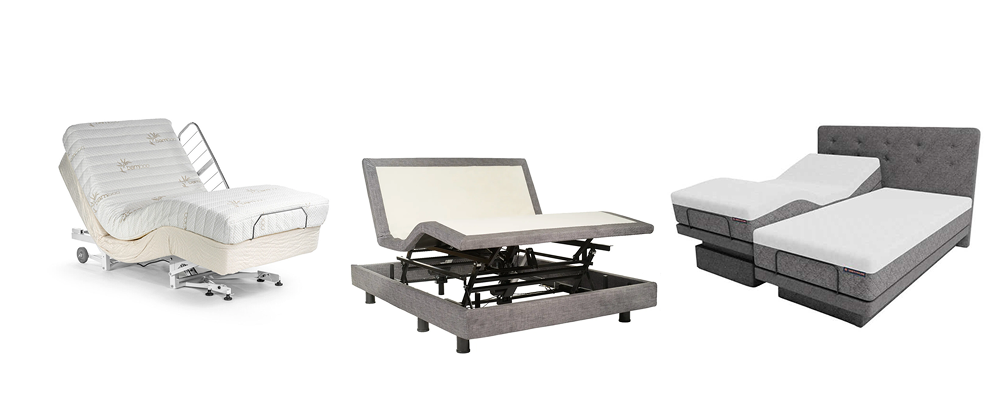
An adjustable bed offers customized positioning in a bed that looks and feels like part of your bedroom. It’s ideal for those seeking daily comfort with a couple of therapeutic benefits. It’s designed with a low-profile frame that pairs perfectly with standard mattresses. They also include built-in features such as massage and zero-gravity, making them ideal for nightly comfort.
Comparing Hospital Beds and Adjustable Beds Side by Side
Positioning and Adjustability
Both bed types adjust to different positions, which determines how much medical or everyday support each provides.
Hospital Bed
The hospital bed features a wide positioning range built specifically for medical support and caregiver access. Here's what powers that clinical-level flexibility:
- Independent head and foot elevation for medical positioning
- Adjustable bed height for easier transfers and caregiving
- Trapeze bar compatibility for added patient support
May Be a Good Fit For: Post-surgical recovery, long-term care, and households managing caregiver-assisted transfers.
Adjustable Bed
The adjustable bed prioritizes everyday comfort over clinical function, delivering positioning suited to relaxation instead of recovery. The main strengths this option carries are:
- Head and foot incline for everyday comfort
- Massage and zero-gravity positioning options
- Compatible with most standard mattresses
Best For: Nightly comfort, reading or watching TV in bed, and general wellness routines.
Size, Setup, and Home Fit
How well a bed fits into a bedroom and daily routine matters just as much as how it performs.
Hospital Bed
The hospital bed is a medically focused frame that prioritizes function and safety over blending into home decor. It includes:
- Narrower frame sized for medical mattresses
- Locking wheels for safe repositioning in a room
- Compatible with overbed tables and IV poles
Best For: Dedicated care rooms, post-surgical setups, and homes with an assigned caregiver.
Adjustable Bed
One distinguishing feature of the adjustable bed is its easy-to-look-at appearance; it fits well in a typical bedroom. Main highlights include:
- Standard mattress sizes from twin to king
- Low-profile frame that is the same height as bedroom furniture
- USB charging ports and under-bed lighting
Best For: Ideal for primary bedrooms, common areas, and anyone who wants a non-medical look.
Everyday Comfort and Safety Support
Because of extended time in bed and specific health needs, each user type has different priorities.
Hospital Bed
Hospital beds are designed to ensure safety for medical recovery and long-term care requirements. Functionalities include:
- Safety rails for fall prevention
- Compatibility with pressure-relieving mattresses
- Compatibility with the nurse call and bed exit alarm
Best For: Patients at higher risk for falls, prolonged bed rest, and homes that coordinate with home health services.
Adjustable Bed
The adjustable bed combines soft, everyday comfort with easy-to-use wellness features. It includes:
- Massage settings for relieving tension
- App-controlled or comes with a wireless remote
- Motor runs quietly so as not to disrupt sleep
Best For: Better sleep quality, minor aches and stiffness, and general nightly relaxation.
Making the Right Call for Your Situation
Not all beds are a perfect fit to meet everyone’s medical needs, personal choices, and the amount of support one needs almost daily.
A Hospital Bed Makes Sense When:
- To keep you safe, you will need side rails or a trapeze bar
- The person is recovering from surgery or illness
- The height of caregivers needs to be adjusted for transfers
- Blending into the decor of the bedroom is not a priority
An Adjustable Bed Makes Sense When:
- You prefer everyday comfort to medical assistance
- You want a bed that matches your room’s decor
- You’re seeking either a massage position or a zero-gravity position
- You don't require side rails or a trapeze bar
Both types of beds come with adjustable positioning, sturdy frames, and features for best rest. The decision relies on your medical needs, comfort level, and day-to-day routine.
Getting Expert Help Choosing Between the Two
Choosing a suitable bed allows you to get better-quality rest whether you are recovering from surgery, managing a long-term condition, or seeking everyday comfort. At Med Mart, our experts assist you in evaluating alternatives that meet your health conditions, daily routine, and lifestyle. Contact us now, and our staff will assist you in selecting the best bed for your recovery.
Frequently Asked Questions
1. Can Medicare or insurance help pay for a hospital bed?
Medicare Part B could cover a patient’s hospital bed if they need one. Additionally, other coverage requirements must also be met. Coverage scope varies, while eligibility generally depends on prescription, medical documentation, supplier requirements, and equipment type. In general, standard adjustable beds are not covered as durable medical equipment for comfort.
2. Can I use a regular mattress on a hospital bed frame?
Hospital beds are typically supplied with specialty mattresses that are sized and designed for the frame, although some low-profile models accept standard twin mattresses.
3. Do adjustable beds require special mattresses?
Most adjustable bed bases can accommodate standard memory foam, latex, or hybrid mattresses, although very stiff innerspring mattresses may not bend easily.