
1. Nitrile vs. Vinyl vs. Latex Gloves: What to Check Before You Buy

    Nitrile vs. Vinyl vs. Latex Gloves: What to Check Before You Buy

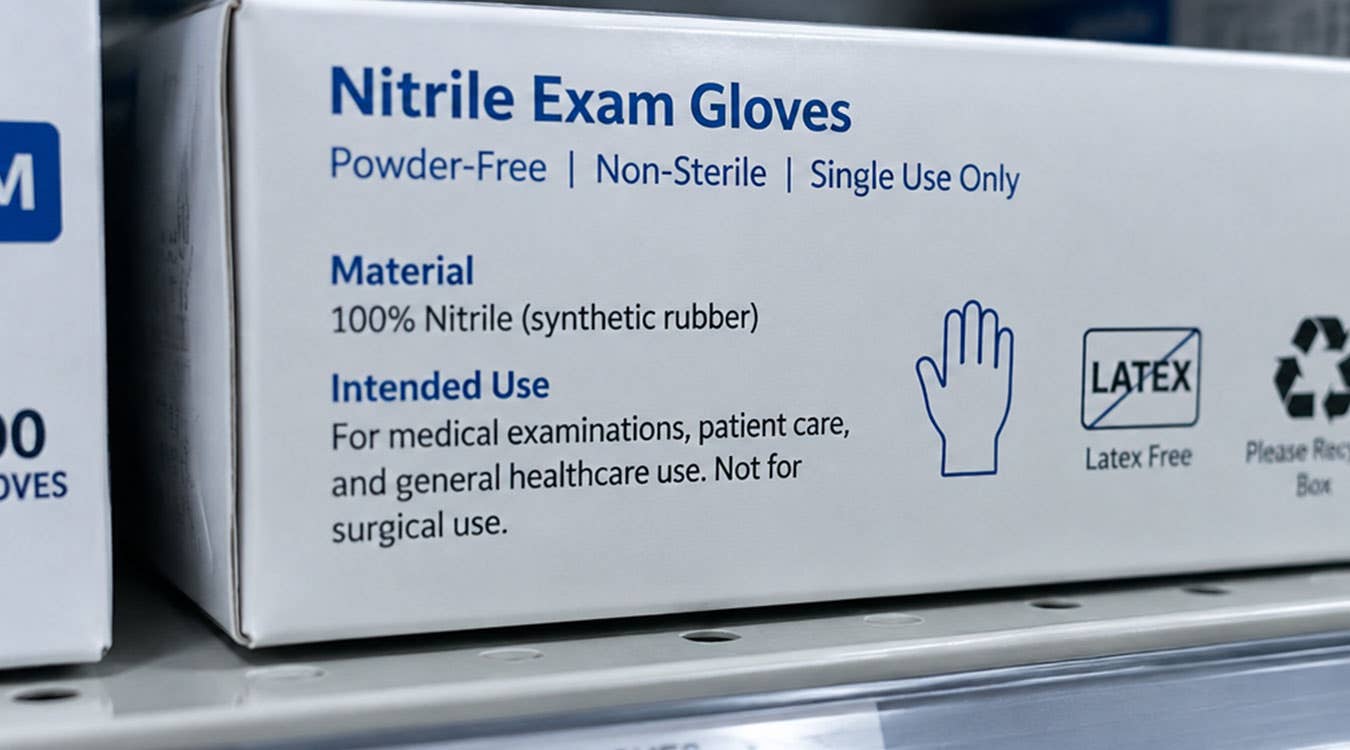
    When you shop for disposable gloves, the boxes can look similar. But the material, intended use, and fit can make a difference in which product belongs in your supply cabinet.


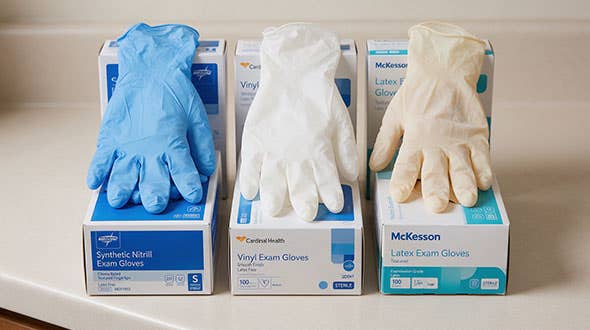
    Nitrile, vinyl, and latex are three common glove materials. Start with the task you need gloves for, then compare the product’s labeling, size, and package details.

    What is the difference?

    Nitrile and vinyl are synthetic materials. Latex gloves contain natural rubber latex, which can cause allergic reactions. The FDA advises choosing a synthetic alternative when the wearer or patient has a natural rubber latex allergy. FDA medical glove guidance

    Material What it is Main consideration
    Nitrile A synthetic rubber material Check the individual product’s intended use, fit, and performance information
    Vinyl A synthetic material, typically PVC Consider the task’s demands and the product’s durability
    Latex Natural rubber latex Consider latex allergies affecting both the wearer and the person receiving care

    Material is one

  2. Home Care Supplies Checklist: What to Keep on Hand

    Home Care Supplies Checklist: What to Keep on Hand

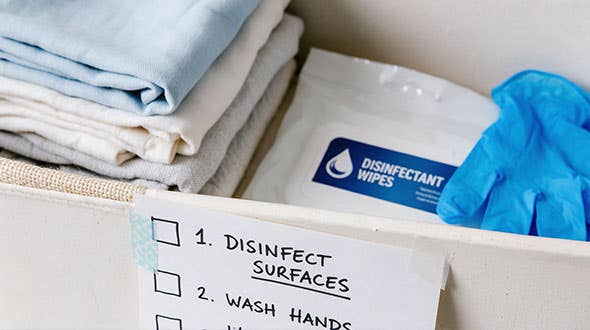
    A fresh package of wipes, the right size gloves, an extra set of linens—small supplies can make a big difference in how smoothly a care routine runs.


    Whether you are helping a family member for the first time or reviewing an established routine, a home care supplies checklist gives you a place to start. Build your list around the person’s actual needs, then add the product details and quantities that make reordering easier.

    Start with the care routine

    Before filling a cart, write down the tasks that happen throughout a typical day. These might include bathing, dressing, toileting, meals, or using a home monitoring device.


    For each task, note which supplies are already being used and which items the care team has recommended. Include the person receiving care in decisions about comfort and preferences whenever possible.


    If care involves medical equipment, make sure everyone helping knows how to use it. The FDA recommends keeping device instructions close by and having caregivers demonstrate

  3. Insulin pen needle and insulin syringe comparison

    Insulin Pen Needles vs. Insulin Syringes: What to Know Before You Buy

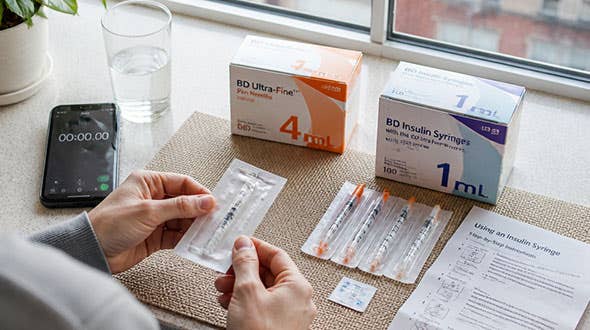
    Shopping for diabetes supplies can bring up unfamiliar terms: pen needles, insulin syringes, needle lengths, and syringe capacities. Understanding what those labels mean helps you identify the supplies that match your prescribed treatment.


    The main difference is straightforward: pen needles attach to compatible insulin pens, while insulin syringes are used to draw insulin from a vial. Your prescribed insulin and delivery device determine which supplies you need. The FDA recommends asking your healthcare provider which needle is appropriate for you. FDA insulin guidance

    What is the difference?

    A pen needle is a needle attachment used with a compatible medication pen. It does not have the measuring barrel and plunger found on a syringe.


    An insulin syringe has a barrel, dose markings, a plunger, and a needle. It is designed to measure and deliver insulin using the appropriate product instructions. FDA description of insulin syringes

    Feature Insulin pen needles Insulin syringes
    Used with